

Vital Foundations: Iron
In the vitalism that we teach at Terra Sylva, a person's health is built upon some non-negotiable foundations. Sufficient rest, restorative sleep, physical movement, and adequate nutrition are some of those foundations. As powerful as herbs can be, herbs can't ultimately take the place of the vital foundations of health.

Care Plans People Can Actually Do
As herbalists, when we set out to help someone — a client, a loved one, or ourselves — it's natural to start with the obvious questions: What do I think is ailing this person, and what herbs would help in their situation? Besides herbs, what other supportive recommendations can I offer? Most herbal training focuses on these questions alone, and misses something crucial: even the best protocol will fail if the person on the receiving end can't apply it in their daily life.

Wild Cherry: Mind the season, Mind your Symptoms
Wild Cherry is cool, dry and relaxing and has an affinity for the respiratory system. This means Cherry can help with overly active (excited) spasming (tense) lungs. Cherry eases so many kinds of coughs: lingering coughs, wracking coughs, coughs that keep you up at night, dry hectic coughs, irritation in the respiratory tract, unproductive coughs, coughs that disrupt sleep, and coughs associated with hot weather.

Linden Love
There are many herbs who automatically bring summer to mind. Saint John's Wort's strong association with the Summer Solstice makes them an obvious example of the solar guild. Here in Southern Appalachia, we also harvest Yarrow and Lavender during this time of year. And of course Rose blooms and blooms from May into June. This year, I came to associate a new herb with the longest days of the year, Linden, Tilia spp.

A Practical Guide to Herbal Supplements
A good question came up at Terra Sylva last week: how do you translate the dose of an herb you get from an herbal supplement you'd buy at the store as a capsule or a tablet to the equivalent dose of a tea or tincture that you might make at home? The answer is not always straightforward.
Red Flags in Supplement Marketing
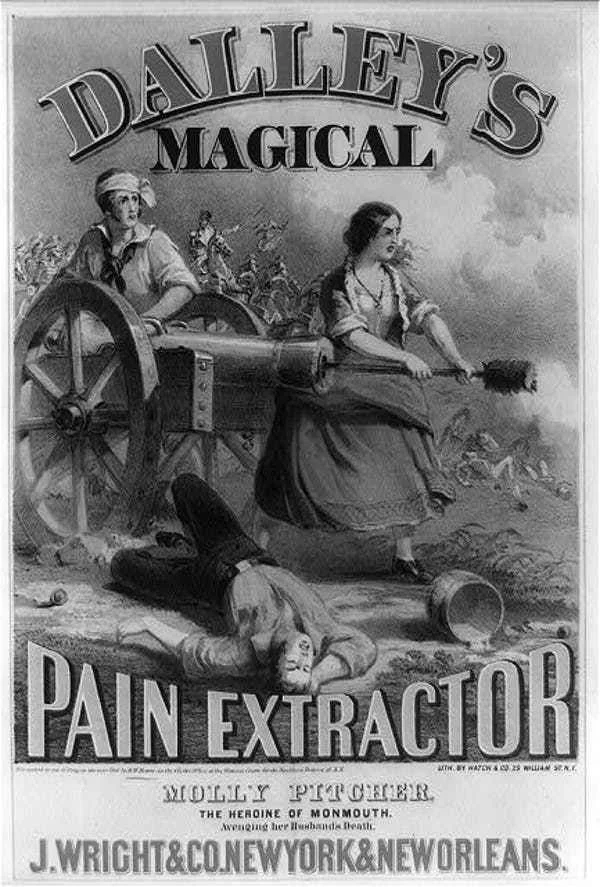
One skillset that is becoming increasingly relevant to our work is discernment about supplement marketing. People who are suffering and/or afraid are vulnerable to predatory wellness marketing. Yes, we could all stand to learn more about accessible, holistic health, but we also need to learn the techniques and tools of exploitative marketing — not to use them ourselves, but so that we can recognize them when we see them, not fall prey, and better advise our communities.
Herbs for Everyone: Bitter Nervines
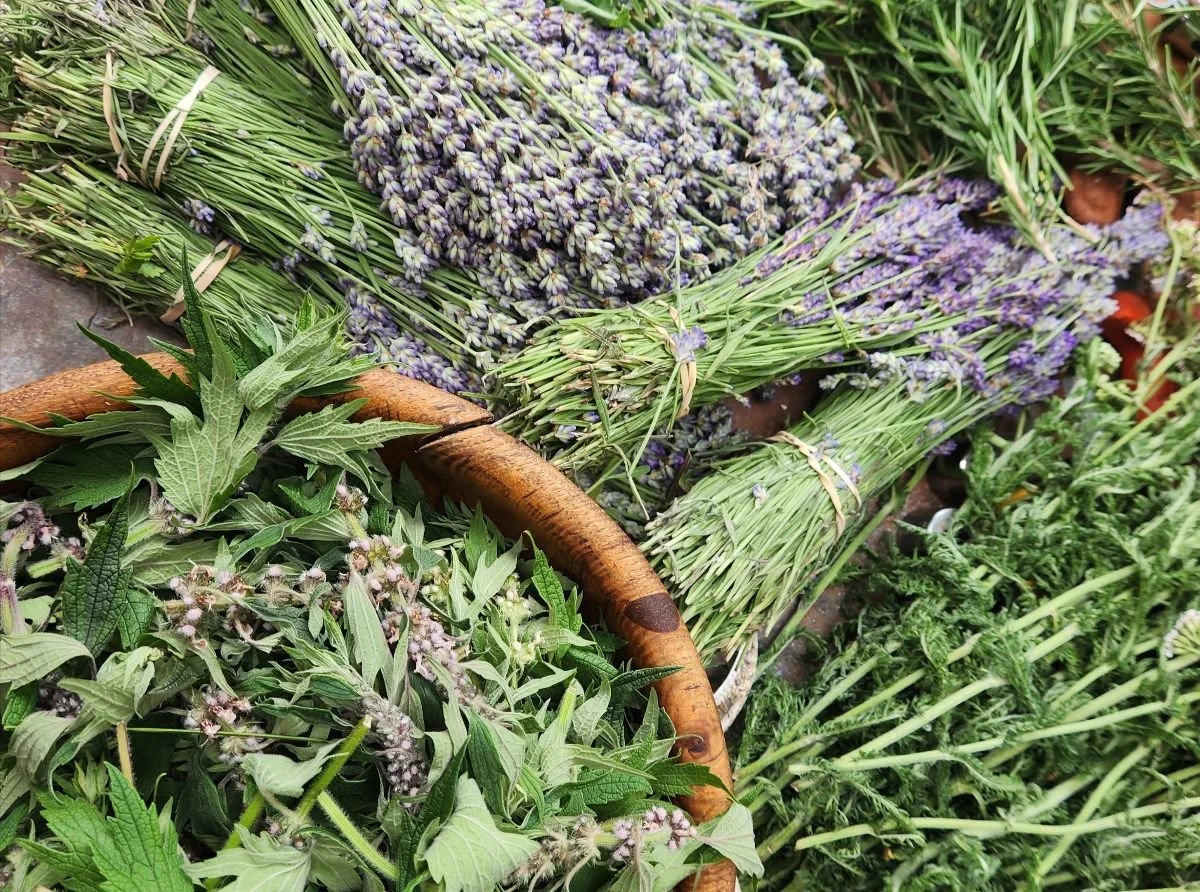
While it may be obvious why relaxing nervine blends are needed by so many, given the stress of living in these times, the need for digestive bitters may be less intuitive.

Health care is unraveling. Herbalists can help.
Janet and I live in rural Appalachia, where we've been offering herbal remedies and health advice to our neighbors for a couple of decades. Most of them grew up with herbalism in their families — grannies brewing catnip tea for restless children, kids peeling cherry bark to trade for candy at the local store. They didn't need convincing that herbs are powerful. They knew it already, and they sought us out right away.

Can Medicinal Foods Be Harmful? Garlic and Turmeric
As we move through this new era in health care, herbalists and biomedical providers alike are seeing a rise in the indiscriminate use of herbs and supplements. You may have already noticed the steady influx of supplement ads in your social media feeds. You may also have noticed that people who have never used supplements before are talking about them. What concerns me is the number of people I see every month who are buying supplements without knowing how to ascertain their quality, and without understanding whether or not they will be useful.

Are Cherry, Peach, and Hawthorn dangerous?
One topic that frequently sparks confusion and concern is the presence of cyanogenic glycosides in herbs (trees, specifically) from the rose family: plants like cherry bark, peach leaf, apricot kernel, and hawthorn seed. The word cyanide understandably sets off alarm bells. But in traditional herbal practice, these herbs are not only safe, they're highly valued for their calming, cooling, and antispasmodic effects, especially in the lungs and digestive system.

Time for Some Heart-tending
Hawthorn medicine works at the intersection in each of us where the metaphoric and anatomic heart meet. By this I mean that Hawthorn is potent medicine for the anatomic heart, the organ that pumps blood through our cardiovascular systems but also the spiritual heart. Hawthorn strengthens our hearts and cardiovascular systems and helps strengthen and regulate the heart muscle. Simultaneously, Hawthorn supports our spiritual hearts by providing a steadying force, easing agitated states, and supporting emotional balance.