Vital Foundations: Iron
In the vitalism that we teach at Terra Sylva, a person's health is built upon some non-negotiable foundations. Sufficient rest, restorative sleep, physical movement, and adequate nutrition are some of those foundations. As powerful as herbs can be, herbs can't ultimately take the place of the vital foundations of health.
Now, herbs can definitely assist with securing the foundations! Herbs can help us sleep and can help with what might hinder movement. And many herbs are themselves quite nutritious. But herbs can't take the place of sleep, for example, at least not for very long.
What does this mean? For one thing, it means that if we want to practice holistically and attend to the many dimensions of health, we don't stop with recommending teas and tinctures. We have to look out for what else might be holding someone back.
Iron deficiency (to speak of nutrition) has been coming up in my herbal practice quite a lot this year. I just completed the most thorough handout on iron deficiency and iron supplementation that I've ever made, for participants in our Clinical Mentorship Circle. And coincidentally, the American Society of Hematology just release new guidelines on diagnosing iron deficiency, aimed at helping clinicians to catch and remedy iron deficiency sooner. Iron is on the mind!
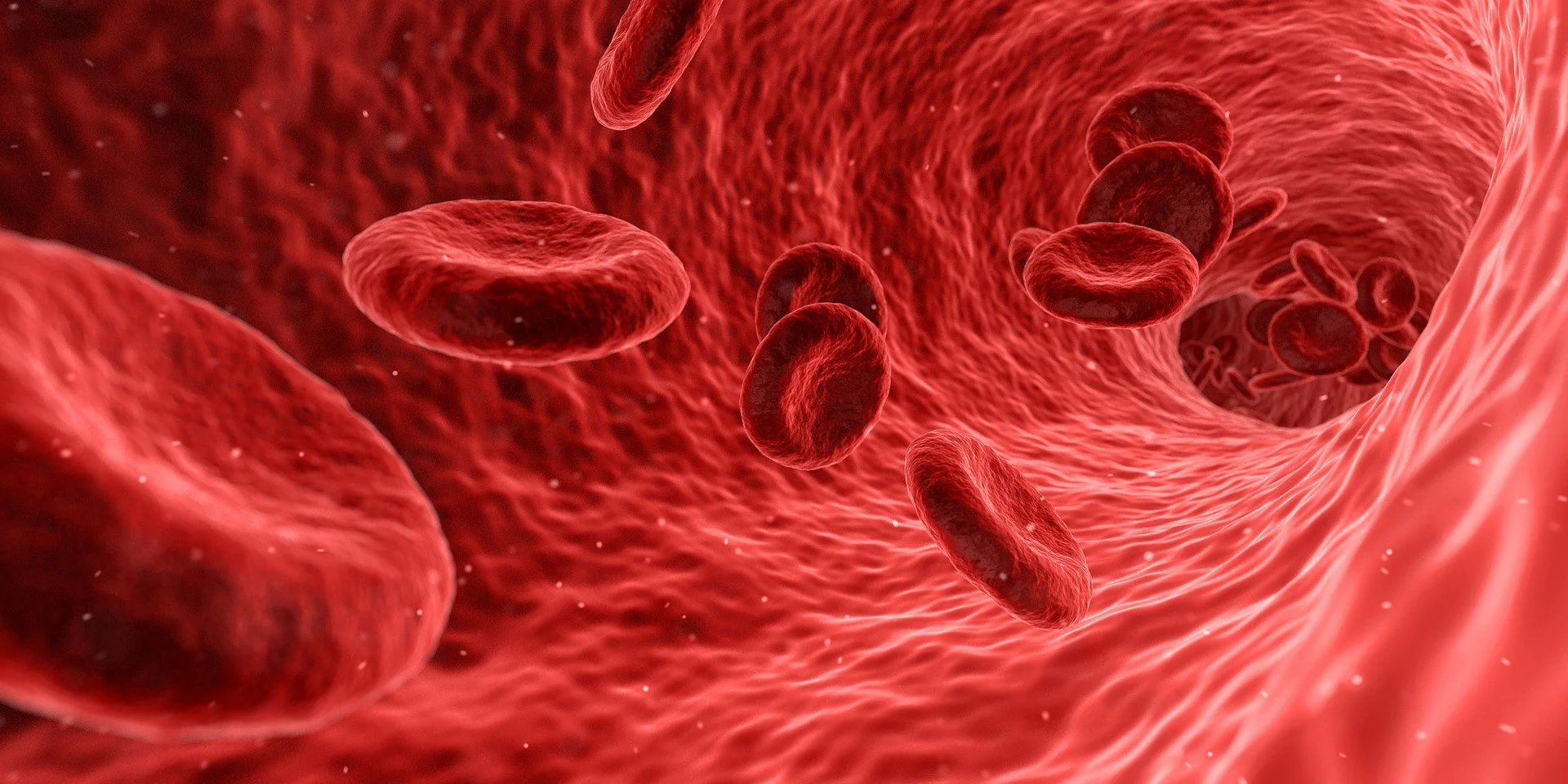
Iron deficiency is best known for causing anemia, when the blood can no longer deliver essential oxygen efficiently to the body's tissues. But iron deficiency can have significant consequences well before anemia sets in. Iron isn't just a component of hemoglobin in red blood cells. It also works to facilitate energy production in mitochondria, and has a role in neurotransmitter synthesis, thyroid hormone production, collagen synthesis, and more.
Iron deficiency without anemia can drive fatigue, cognitive impairment, intolerance to exercise, restless leg syndrome, ADHD symptoms, and impaired connective tissue maintenance, just to name a few.
This is all seriously important to herbalists, because iron deficiency sets a hard limit on what herbal protocols can do. If someone is iron deficient, then all of our nervines, adaptogens, sleep hygiene protocols, and building tonics can only do so much, and will have disappointing results unless iron restoration is also part of the plan.
Many herbs contain iron, but if someone is significantly iron deficient, iron-rich herbs alone are unlikely to restore them to a sufficient level. Supplementation is often needed.
But fortunately, herbal tools often can help to remedy the condition that caused the iron deficiency in the first place.
Iron comes in through the diet, and the body has no mechanism to excrete iron other than blood loss. So if iron is low, it's almost always going to be from insufficient intake, impaired absorption, or blood loss. As herbalists, then, we can ask:
Is this person consuming enough iron? Vegetarians and vegans are at greater risk here.
Is something getting the way of absorption? Iron absorption requires stomach acid. Do they take acid-suppressing medications or antacids? Do they have signs of low stomach acid? Do they need bitters? Might they have celiac disease, which also impairs absorption?
Are they losing excessive amounts of blood?
This last question is often the most relevant. Heavy menstrual bleeding accounts for most cases of iron deficiency a practicing herbalist is likely to see. In fact, iron deficiency in someone who does not menstruate regularly should raise our concern about invisible bleeding from another source (usually the GI tract, like from bleeding ulcers or GI bleeding from overuse of NSAIDs).
Heavy menstrual bleeding can have many different causes. Some of them, like uterine fibroids or endometriosis, require assessment from a licensed practitioner. But herbal remedies can often be great at reducing excessive menstrual bleeding. In this case herbs can get to the root cause, helping a person hold on to precious iron.
If you take one thing away from this, maybe it should be this: if someone has fatigue that's not improved by rest, and they bleed heavily during menses, iron deficiency should be considered as contributing to their fatigue.
And what if we suspect iron deficiency? Iron deficiency is best assessed by a PCP, or another provider who can order the necessary blood work to know for sure. Oftentimes, our role is not only to provide herbs, but to help someone get the care they need from another provider! Sensing when someone needs to have their iron checked, and sending them to their PCP with a note explaining why you think so, might be the most impactful care we can offer!
IMPORTANT NOTE: Remember that the body has no way to excrete excess iron, and iron overload causes real problems. Don't start taking iron supplements, or recommending them to someone, without being sure of a deficiency. If in doubt, start by addressing digestion, absorption, or blood loss until you have better knowledge.