Are Cherry, Peach, and Hawthorn dangerous?
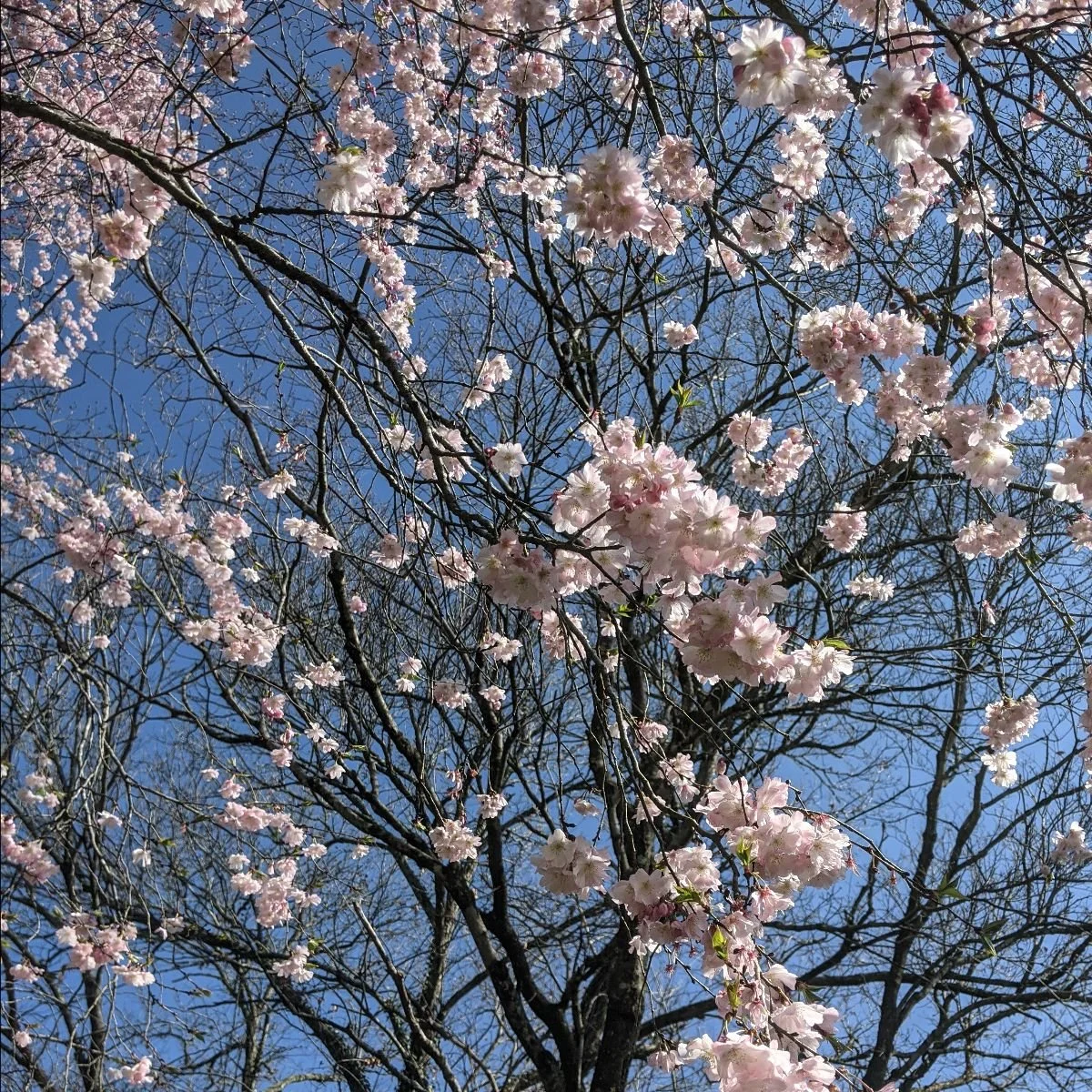
Cherry in spring
Separating fear from fact regarding cyanogenic glycosides
In our community herbalism program, we recently fielded a question about the safety of working with whole Hawthorn berries, and whether the seeds should be removed while processing because they are poisonous. Questions like this one come up often: safety concerns that have a plausible basis, or a grain of truth, get repeated without a clear resolution and without clear guidance for how to proceed with confidence.
Herbalists need to make safety their priority, and uphold the central tenet of medicine — first, do no harm. Safety questions deserve clear, grounded answers, and those can be surprisingly hard to find, especially in a climate where some people who promote herbalism online ironically also spread unfounded or exaggerated fears. One topic that frequently sparks confusion and concern is the presence of cyanogenic glycosides in herbs (trees, specifically) from the rose family: plants like cherry bark, peach leaf, apricot kernel, and hawthorn seed. The word cyanide understandably sets off alarm bells. But in traditional herbal practice, these herbs are not only safe, they're highly valued for their calming, cooling, and antispasmodic effects, especially in the lungs and digestive system.
So what are cyanogenic glycosides? They're naturally occurring plant compounds that, under certain conditions, can break down into hydrogen cyanide (HCN) — a potentially toxic gas. But this only happens when glycosides mix with the right enzyme, in the presence of water and warmth. The key word is potentially. The traditional understanding is that the tiny amounts of HCN that occur in preparations like cherry bark or peach leaf are part of how these remedies calm a spasmodic cough, by gently relaxing the respiratory reflex; this is a long-standing explanation rather than an established mechanism. Larger amounts—far beyond any normal herbal dose—interfere with cellular respiration and become dangerous. Well-made herbal preparations stay far below any toxic threshold.
The important thing to know is that cyanogenic glycosides are inert until activated. Fresh plants contain these compounds in an inactive form. Dried plant material contains even less active potential, and any free cyanide that may have formed tends to evaporate during the drying process. Alcohol-based tinctures stop cyanide production by denaturing the enzymes that would otherwise trigger the release. Traditional preparations like syrups, teas, and decoctions have been used safely for generations. But uncommon, nontraditional preparations—such as glycerites made from fresh or wilted leaves, or large daily doses of powdered hawthorn fruit with seeds—deserve a closer look.
We've put together an info sheet on cyanogenic glycosides in herbal medicine: what they are, how they work, and when to pay attention. It's designed for students and practitioners who want to feel confident working with herbs like cherry bark, peach leaf, and hawthorn. Whether you're brand new or already deep in your practice, understanding how these compounds behave in the body (and in the jar) can help you make wise choices, and share that knowledge with others.
Get the sheet here.
Version 2.0 - October 2026