
Can Medicinal Foods Be Harmful? Garlic and Turmeric
As we move through this new era in health care, herbalists and biomedical providers alike are seeing a rise in the indiscriminate use of herbs and supplements. You may have already noticed the steady influx of supplement ads in your social media feeds. You may also have noticed that people who have never used supplements before are talking about them. As an herbal clinician, I am not against supplements across the board; in fact there are a handful of supplements I regularly recommend if I see certain patterns. These are primarily vitamins and minerals that are not available in herbal teas and tinctures. What concerns me is the number of people I see every month who are buying supplements without knowing how to ascertain their quality and without understanding whether or not they will be useful. The wellness industry is set to grow as health care becomes increasingly privatized, as more and more people lose access to conventional care, and as the chronic stress most of us experience continues to lead to poor health outcomes.
As we experience the onslaught of products promising all-purpose antidotes to various health challenges, it is easy to become overwhelmed. One way to approach this is to stick with food-based supplements. If a supplement comes from food then it must be safe, right? Unfortunately, it is not that simple. While medicinal foods tend to be safer than many other forms of supplements, there are still risks. One-size-fits-all supplement recommendations tend to ignore our individual differences and downplay the potential risks associated with various substances. Even common medicinal foods can have side effects, contraindications, and can be ill-suited for certain people constitutionally. We are sharing a couple of examples here in the hopes that you will be able to learn patterns of discernment when working with medicinal foods.
Turmeric
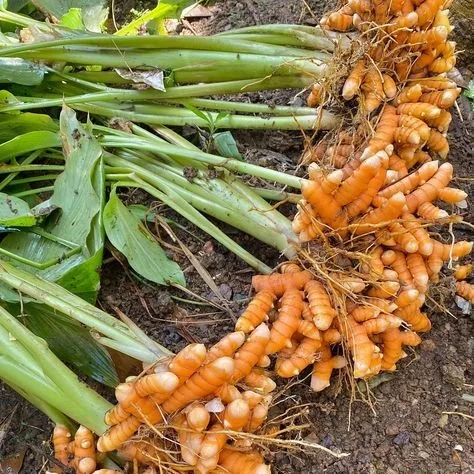
First let's talk about the medicinal food that inspired this piece, Turmeric. In July of 2025, a news story made the rounds telling of a woman who nearly needed a liver transplant after taking a Turmeric supplement every day for three months for joint pain.
All of the news stories reported that the woman was taking "Turmeric" when in fact she was taking a supplement that does not contain the powdered root but instead contains an isolated form of one of the active constituents in Turmeric, Curcumin. This is an extremely high dose of curcumin. The supplement also contains piperine, a constituent derived from black pepper which increases the bioavailability of the curcumin by increasing curcumin absorption and inhibiting the liver's ability to break down the constituent. For some, this combination creates an overload, and turns an herb that is known to be hepatoprotective into a hepatotoxin.
High dose curcumin extracts can overwhelm normal detoxification pathways. These concentrated forms can end up creating more oxidative stress rather than reducing it. Each of us has our own genetic tendencies and our own capacity for detox in the liver, so how quickly each of us processes a concentrated form of curcumin varies greatly.
Much of the harm done from this type of supplement arises from the fact that supplement companies tend to isolate a single constituent from a plant rather than using the entire plant, or in this case, the entire root. Whole plant preparations contain other constituents which buffer the potential toxicity. When whole Turmeric is taken alone, its curcumin is not very bioavailable, much of it passing through the system without the potential for harm. That being said, even powdered turmeric root can be toxic for some people with liver issues, whether they know they have them or not, when taken in high doses.
Turmeric is a traditional medicinal food across many cultures and continents. The cultures who traditionally work with this herb have done so safely for thousands and thousands of years. The traditional methods for working with an herb demonstrate safe and effective preparations, highlighting the ethnobotanical wisdom of indigenous foodways. Traditional preparations of Turmeric always involve working with the whole root rather than an isolated constituent. Many of the cultures who work with Turmeric pair it with milk, yogurt, coconut milk, or ghee. The presence of fat increases Turmeric's bioavailability. Many forms of preparation also contain extended cooking times. Both the presence of fats and extended cooking times increase our capacity to absorb Turmeric and are easier on the digestive system than the dry powder. Traditional Turmeric use involves regular relatively small doses in food or as part of a decocted tea blend with milk — small as in only 1/4 to 1/2 a teaspoon of powder a day. These preparations often include other herbs that support digestion such as Black Pepper (the peppercorns or powdered peppercorns rather than an isolated constituent), Ginger, and/or Cardamom.
Some of the traditional food and medicine ways most associated with Turmeric also provide essential holistic context for individual difference in who would benefit from Turmeric and who would not. People who run hot and/or dry can find Turmeric aggravating. Even those who run cold and moist but who have hot, speedy digestion should use care when working with Turmeric. When a traditional plant medicine is taken out of its ethnobotanical context and marketed to the masses, without any acknowledgement of the reasons for traditional preparations, harm is easily done.
No matter what it claims otherwise, the wellness industry is profit-driven and is often far from holistic. Holistic health means moving beyond this herb or supplement for that condition. There are no one-size-fits-all solutions, other than the remaking of society itself. And that is not going to fit into a capsule or increase the profit margin for a corporation.
Garlic
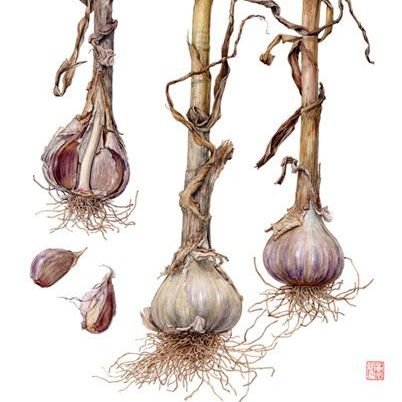
Have you noticed yourself growing more sensitive to garlic over the years? Or do you know anyone who once ate a lot of garlic but can no longer tolerate it? Some people learn of garlic's antimicrobial potency and begin eating raw garlic regularly as a preventative medicine during cold and flu season. Over time, some who do this develop a physical aversion to garlic.
Raw garlic is chemically caustic. The allicin and other sulfur compounds can cause irritation of the gut mucosa and erode the protective mucus layer of the stomach. After enough exposure to this action, some people develop gastric sensitivity causing the stomach to overreact to any amount of garlic. One plausible explanation for what follows is that the brain comes to associate the taste and smell of garlic with stomach distress, and a protective learned response sets in, bringing on nausea as soon as the body senses the presence of garlic. Once this process is in place, it can be difficult to regain the capacity to eat garlic. Some people who develop this aversion cannot eat any amount of garlic, even cooked. No one wants to lose the ability to eat and cook with garlic, so it is a good idea to limit your intake of raw garlic.
Garlic is energetically hot and dry. For those who run hot constitutionally, garlic can exacerbate heat signs, including speedy, inflammatory digestion. Garlic can also exacerbate dryness in those who run dry. Therapeutic doses of garlic are not recommended for people who are in depleted states or are recovering from surgery or illness. Garlic can cause heartburn, can exacerbate SIBO (Small Intestinal Bacterial Overgrowth) symptoms, and can interact with anticoagulant medications (blood thinners). Raw Garlic is also contraindicated in cases of ulcerative colitis, Crohn's disease, stomach ulcers, and acute inflammatory skin conditions. I am sharing this list not to scare anyone away from one of my favorite ingredients, but in order to show that even a medicinal food that many people eat every day can cause harm under certain circumstances.
You may be asking, what about cultures who use a lot of garlic, like Mediterranean cultures and some SWANA cultures? People who grow up eating large amounts of garlic, cooked and raw, seem to be less likely to develop an aversion to it or to have as many garlic related complications. Part of this is due to the traditional preparation methods. Some cultures cook garlic thoroughly in most dishes. Some combine it with oils, tahini, or yogurt which buffers the gastric irritation, and/or combine garlic with other aromatics like mint or parsley that also support digestion. Traditional preparations of medicinal foods demonstrate ways to interact with an herb that are more balanced and less risky. Early developmental exposure plays a factor here as well. When humans grow up eating garlic, they are exposed to the food early so their gut microbiomes select for bacteria that can better handle sulfur compounds. Continued exposure can build tolerance and increase one's capacity to process garlic. Still, an individual who has SIBO or other FODMAP sensitivities or IBS may still have issues with garlic even if it is a part of their traditional foodway.
So how about garlic capsules? Aged garlic capsules are well tolerated by most. Unfortunately, they do not work as well as fresh garlic. This is a case of the poison being the medicine. Allicin, the primary antimicrobial constituent, and the sulfur compounds that stimulate expectoration in garlic break down when it is dried and aged, which weakens the medicine. What remains is some of garlic's cardiovascular support.
How about cooked garlic? If dried powdered garlic is much less medicinal, what happens when we cook it? Aren't we breaking down the medicinal constituents? Well, yes, but cooked garlic is still more medicinal than the capsules. Cooking garlic does reduce the action of allicin and the volatile sulfur compounds, making it less reliable for fighting infections or for supporting the respiratory system. Cooked garlic contains organosulfur compounds that support the cardiovascular system, gently stimulates circulation, has a prebiotic effect for beneficial gut bacteria, and has some antioxidant effects. Cooked garlic is much better tolerated by those who run hot and dry than fresh garlic and causes less gastric irritation overall, though it can still irritate those who have developed a physical aversion.
One way to preserve the medicine of fresh garlic in a form that is more palatable and causes less digestive irritation is to make a garlic oxymel.
Garlic oxymel. Begin by putting finely chopped garlic in a jar. Fill it about 1/3 to 1/2 full. Barely cover the garlic with honey and then fill the jar the rest of the way with vinegar. Stir well to release air bubbles and then top it off with vinegar. Cover with a plastic lid or use a piece of wax paper between lid and jar. Shake daily for 2 to 4 weeks before straining. Store in a cool place for up to about a year.
I try to make this every fall when the garlic bulbs are ready. If I have not grown any myself, I get some organic garlic from the farmer's market or a health food store. Anywhere from a tablespoon to a couple of ounces of garlic oxymel in hot water is such a delicious and potent medicinal hot toddy.