Health care is unraveling. Herbalists can help.
What we've learned serving our community, and what the future could be.
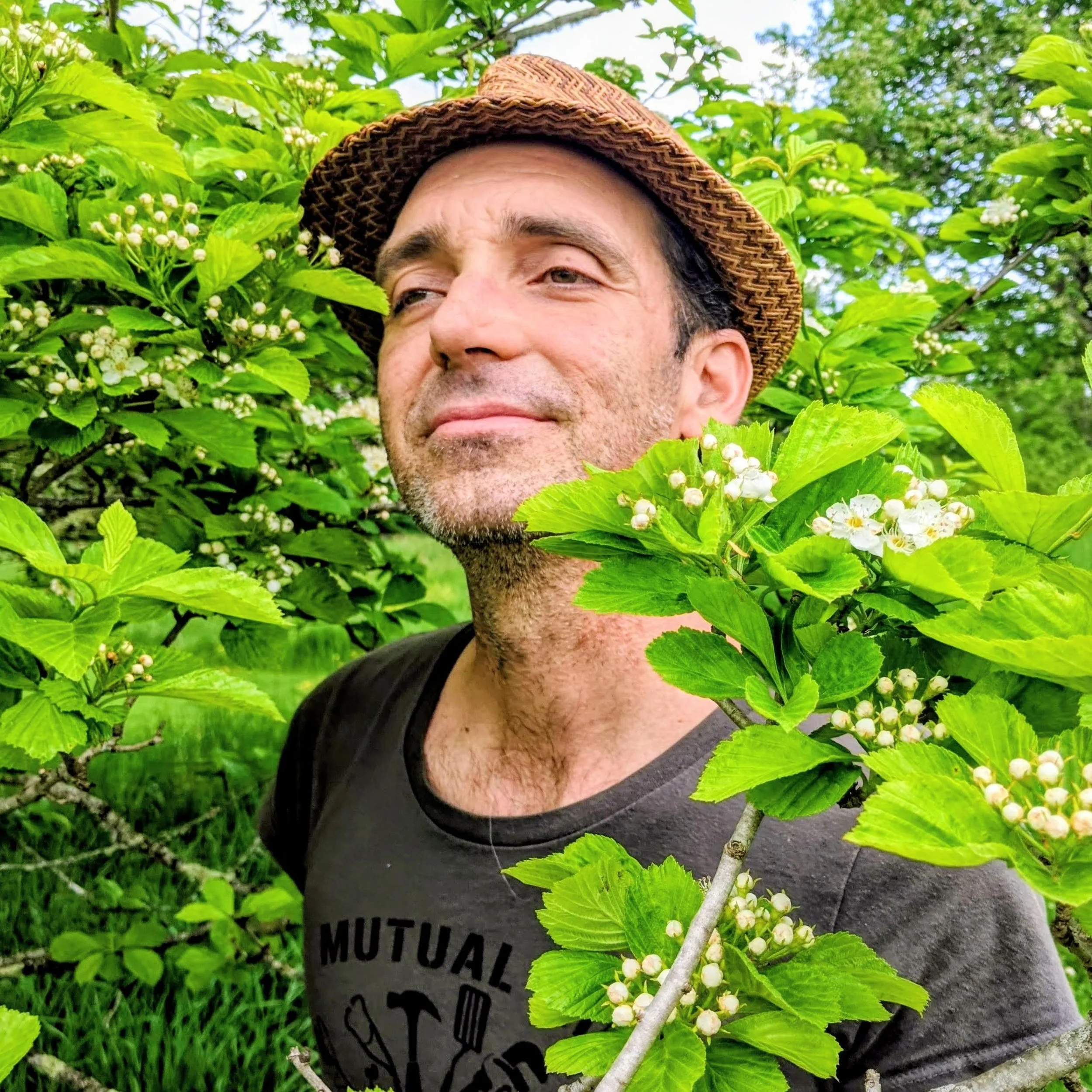
Janet and I live in rural Appalachia, where we've been offering herbal remedies and health advice to our neighbors for a couple of decades. Most of them grew up with herbalism in their families — grannies brewing catnip tea for restless children, kids peeling cherry bark to trade for candy at the local store. They didn't need convincing that herbs are powerful. They knew it already, and they sought us out right away.
As I listened to neighbors share their health care stories, it was easy to see how fragmented and uncertain rural care can be. It's rare to meet someone who's had the same doctor for more than a couple of years. Most people only go when they absolutely have to, when the need can't be ignored. With the constant, maddening shifts in Medicaid, insurance plans, and provider networks, chances for timely care often slip away. And too often, when care is finally sought, it's at the emergency room.
As herbalists in this community, we've been able to help patch some of the gaps in that fractured landscape of care. Neighbors often come to us before deciding to make the trip for medical care that can be costly or alienating. If we can help with that cough that lingers after the flu, maybe it won't turn into the kind of secondary bronchitis that lands them in the clinic — or even the hospital.
"To this day, he insists I saved his life. I'm not so sure about that."
Sometimes care means telling someone that they really do need to see a doctor. Once, a man came to me for lung medicine because he was having trouble breathing when he lay down at night. I told him the problem was likely not his lungs at all, but his heart — and that maybe he should get it checked. When his condition worsened a day or two later, he went to urgent care, only because he remembered what I'd told him. They rushed him straight to the hospital for surgery. To this day, he insists I saved his life. I'm not so sure about that, but I am grateful I was in the right place at the right time to tell him what he needed to hear. Without that conversation, things might have gone much worse.
Missed connections in health care happen all the time — especially in the rural system I've seen out here. And here's the hard truth: it's about to get worse. With Medicaid funding being slashed, along with a host of quieter cuts buried in the One Big Beautiful Bill act, care that was already fragmented and inconsistent is on the verge of unraveling completely. Missed connections could become the norm, leaving more of us, and our community members, at risk.
Herbalists can help reinforce, and even mend, the tattered fabric of care. You might not live in a rural place, but chances are you know someone who struggles to access consistent, quality care. And if you don't now, you will before long. Working-class and self-employed folks who can't afford insurance, chronically ill people never well-served by biomedicine, those who avoid medical settings because of fear or trauma, or simply people living where health care is crumbling under privatization and lack of funding — more and more of us are at risk of slipping through the cracks.
Having herbalists in our communities makes it less likely that care connections will be missed. We serve as resources: helping people think through their health needs, formulating next steps, offering remedies and recommendations that can prevent the need for costly care. Just as importantly, we provide social glue and community-based support that make life more livable — and this world more survivable — for all of us.
That's why we're so passionate about what we do at Terra Sylva. Care needs are growing, and the system is only getting worse. Herbalists are needed now more than ever.