CONSIDERATIONS FOR COLLECTING & DISTRIBUTING HERBAL DONATIONS
CONTEXT
We are grateful to see so many local herbalists rallying to collect and distribute herbs and herbalists from other regions who are willing to send and share medicine. We wanted to share some hard won tips we have learned over the years doing mutual aid herbal medicine work. Some of these tips are directly from work we have done and others are tips that have been shared with us from many of our colleagues and comrades who have done this work for many years.
While herbal medicine can be instrumental in caring for our communities in challenging times, it is best to be organized when doing so. Many herbal callouts over recent years have resulted in people sending large amounts of herbs that were not asked for or needed and therefore, were ultimately discarded. There have also been lots of donations sent that were not well labeled or packaged and were not able to be distributed because no one knew what it was when it arrived or the bottles broke in shipping.
In order to always be respectful to our plant allies, who also suffer during natural disasters, it is important to have some considerations in place so we don’t harvest these plants and make medicine from them that will never be used. We share these thoughts and considerations so that we can all be cared for in the best way possible in these times and so we can also care for our plant allies and teachers as well.
CONSIDERATIONS
BULK VS PRE-BOTTLED
If you receive bulk donations, you will need lots of bottles and labels as well as a lot of labor to do this.
Receiving bulk donations allows you to make your own formulas.
If you receive pre-bottled tinctures, you have less work and needed supplies but are less flexible.
STORAGE
Do you have adequate storage?
Try not to accept more donations than you can process. You will be inundated with supplies. It is inevitable that much will go to waste if you are not very clear about your capacity.
Sorting and storing medicine requires a lot of labor so be prepared to set aside time or recruit others to help make this happen.
Strong guidelines will prevent waste. Be VERY specific about your needs and do not waiver. We cannot overemphasize how much unneeded medicine has gone to waste in collection sites over the years. Once you read through the document you will have a good idea of how to craft donation guidelines to get what you need.
HERBS
Do not accept endangered herbs like Ginseng or Goldenseal, or herbs Indigenous people are asking settlers to leave alone, like Osha, White Sage or Palo Santo.
PREPARATIONS
Aromatics are essential. Sachets, hydrosols, and portable inhalers are well-loved and easy to dispense.
Many medicines that travel here from more northern climes don’t always fare so well...salves need more beeswax to not melt, syrups need more sugar/honey or alcohol to not spoil, etc.
HYDROETHANOLIC TINCTURES
Assess whether or not you should be dispensing alcohol-based preparations.
Consider the age of medicine. Ask for recently made tinctures. Maximum five years old.
Prioritize tinctures made with the ratio method. With folkloric tinctures you cannot determine exact dosage. With cordials you can accept folkloric preparations as the dose is less specific.
Do not accept tinctures that are old. There is a history of herb donors cleaning out their ancient apothecaries and dumping old medicine on mutual aid sites. This is not aid, this creates work.
GLYCERITES
Glycerites should be less than one or two years old.
TOPICAL PREPARATIONS
Topical preparations are going to be needed. Liniments, salves, and sprays. The alcohol-based preparations can be a few years old. The oil-based ones should be made in the last year if possible.
Salves should be individually packaged in small containers (well-labeled). Please put the salves in a bag when sending them with other items so that if they melt and leak or open, the oils don’t get all over everything else including your labels!
DRIED HERBS
If you are accepting dried herbs, ask for dates of harvest or purchase. You will receive plenty of medicine, you can be picky. Do not accept dried herbs more than a couple of years old. Roots and barks last longer. Aerial parts fade quickly. Alkaloidal aerial parts fade very quickly.
LABELS & MAIL
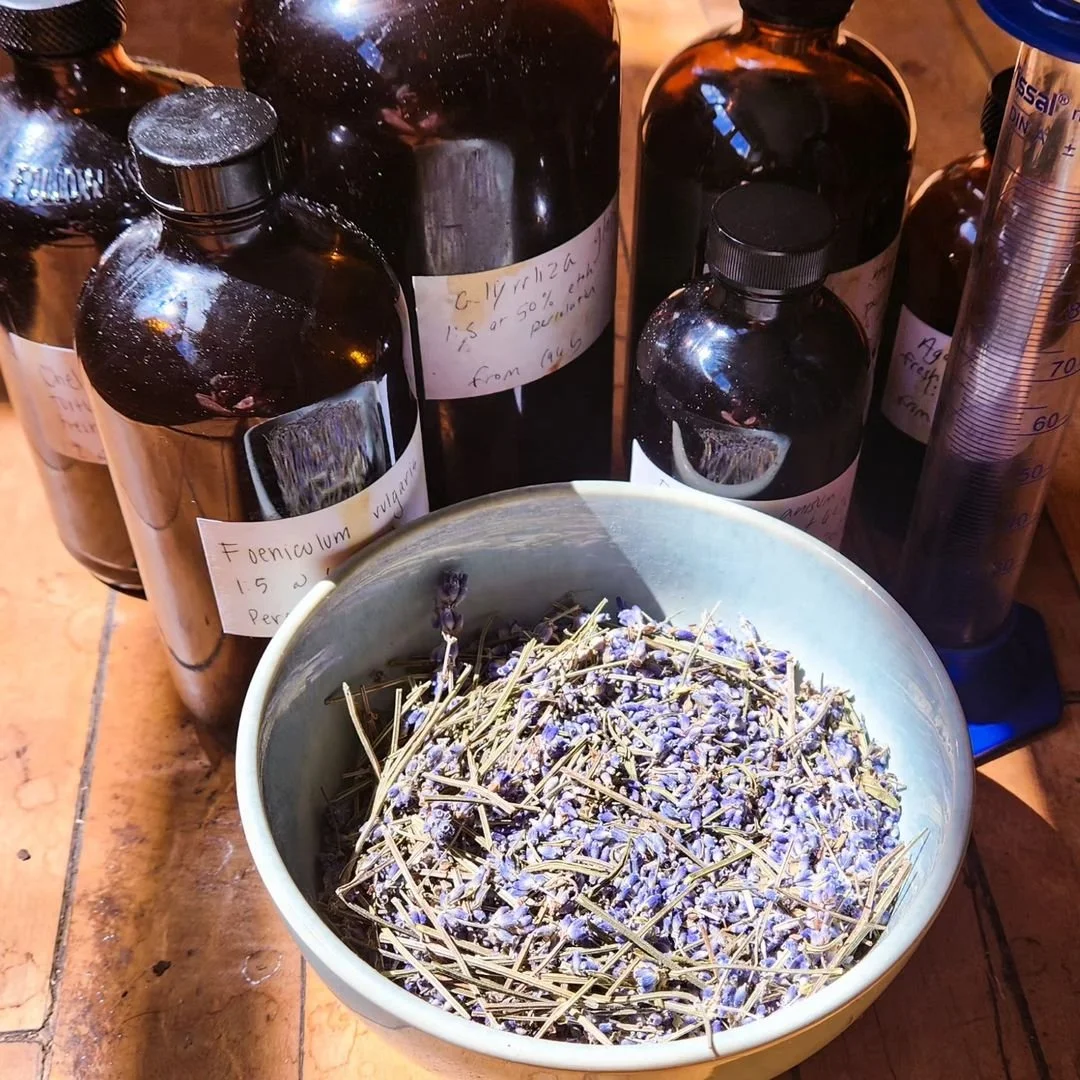
LABELS ARE ESSENTIAL. PRINTED NOT HANDWRITTEN.
If you are not requiring labels for individual donations, you need to be able to label them yourself.
Procure a label maker if possible. This may seem unnecessary but they are so helpful.
Ask donors to use a lot of packing material when sending breakable glass...we have had lots of broken bottles when we’ve done herb call-outs in the past and we hate to see good medicine go to waste!
DISTRIBUTION
Who will be distributing the medicine? What is their training and do they have people to refer out to if they encounter a situation they can’t handle?
Are you planning on making formulas that you can distribute widely or will you be formulating individually for people? This requires different amounts of labor, storage, and skill but could affect how you accept herbs.
If you are distributing in a community that doesn’t have much context for herbal medicine, be sure to provide some education. Brochures that people can read later when they are less overwhelmed are helpful. Many people will take things that are given to them and throw them away later if they don’t understand what they are for. This is unfortunately a way that we have seen a lot of medicine go to waste over the years.
Glass bottles are heavy and breakable. Consider this if someone is currently unhoused or living in a shelter. They might have other more pressing needs at the moment or if they really need herbs, plastic bottles might be more appropriate.
Are you distributing herbs with contraindications? Are there possible herb/drug interactions? When serving a larger public, it is good to have a firm grasp of common medications and which herbs may have a potential interaction with those drugs. If you are distributing herbs with contraindications, they should be labeled accordingly.