
Why make evaporated glycerites?
Though some prefer glycerin-based herbal extracts for many reasons, alcohol is a much better solvent for extracting medicinal constituents from plants. Aromatic compounds extract fairly well into glycerin, but other constituents do not extract as well. Alcohol-based extracts also have a longer shelf life than glycerites. For the community herbalist who wants to keep a large range of remedies at hand to dispense when the need arises, maintaining a fully glycerin-based apothecary, whether as one’s sole apothecary or alongside an alcohol-based tincture apothecary, may not be an ideal option.
For years, many herbalists have used the heat-simmered method for making our glycerites. This method makes adequate glycerites, better than a simple maceration, but the products often require twice the dosage of an alcohol-based tincture. At Terra Sylva, we recently began making evaporated glycerites which are easy to make, potent, and can be made on demand. This method makes use of alcohol’s superior capacity for extraction, yet produces a finished product that contains negligible ethanol. You are basically “swapping” the alcohol for glycerin in the extract, taking advantage of the fact that ethanol is volatile (evaporates) and glycerin is not. Even when glycerin does not extract a constituent well, it can still be used to preserve and deliver that constituent.
Evaporative Glycerite Method
The simplest method involves shallow baking pans (silicone is ideal) and a dehydrator with temperature control and a fan.
Pour off the amount of previously made tincture you want to turn into glycerite. Make sure to note the volume. You can use simples or formulas.
Then pour the same volume of glycerin over the tincture. A glass measuring cup works well for this. Mix the two liquids well.
Pour into a silicone baking dish.
Place in a dehydrator. Set to 130-140 degrees Fahrenheit (54-60 C).
Periodically observe as the volume reduces to approximate the initial tincture volume.
When it looks close, remove the pan and measure the volume of the liquid.
If the volume is more than your target amount which is the volume of your original tincture, put it back into the dehydrator.
Continue checking periodically.
Once you have the volume of your original tincture, or close to it, your glycerite is done.
Depending on the volume of liquid you are reducing, this can take anywhere from 24 hours to several days. The larger the dehydrator, the more baking pans you can insert. The more surface area for evaporation, the better.
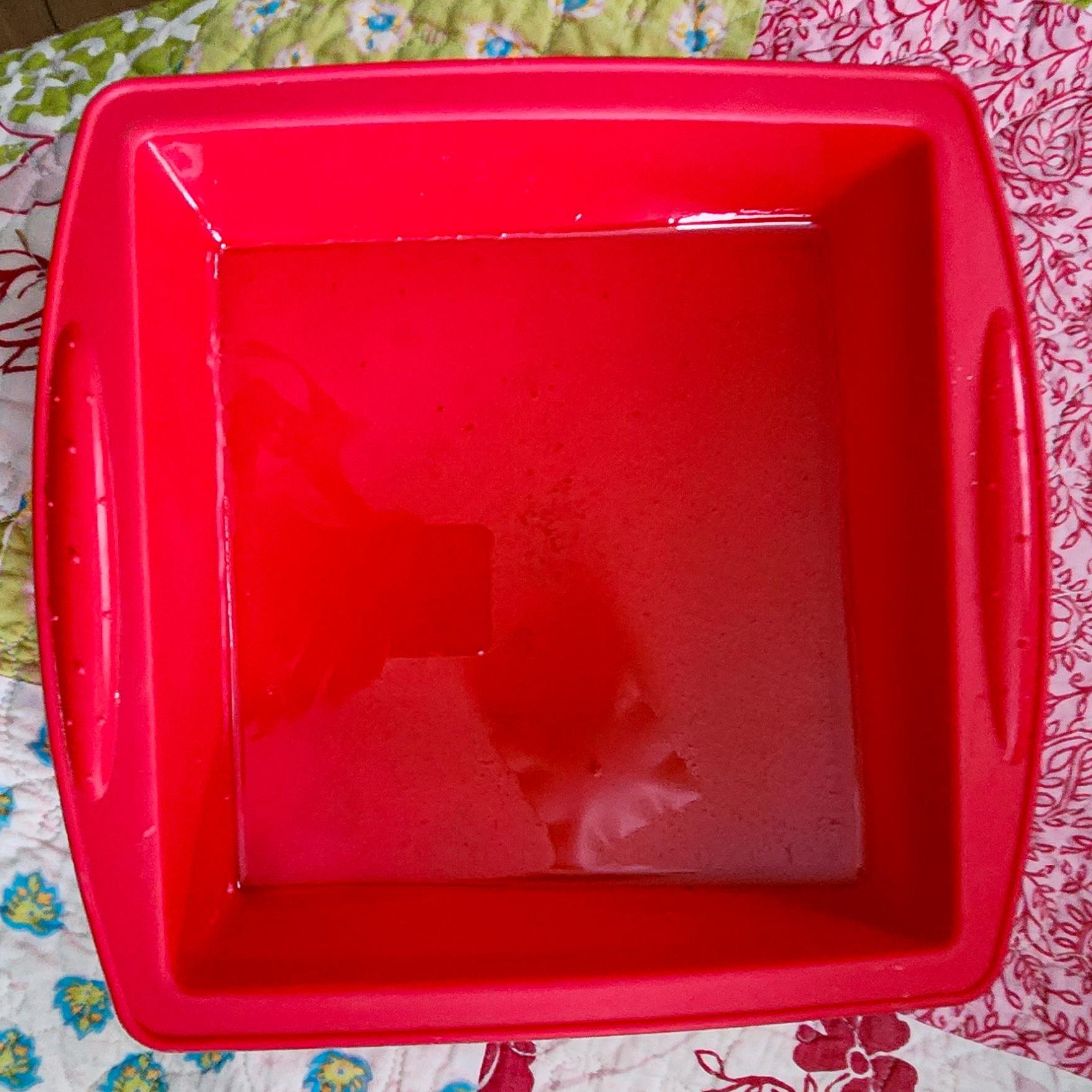
Silicone baking dish with Ashwagandha glycerin/alcohol mix
This method consistently makes the most potent glycerites we have ever worked with. It is especially helpful for making digestive bitters. The strength of the bitter flavor overcomes the sweetness of the glycerin using this method.
The downside of this method is that whatever ethanol was used to originally tincture the herbs is lost to evaporation. There are techniques for capturing the evaporated ethanol for reuse, but they aren’t commonly done these days. Even though the ethanol is lost, many of us find it less costly in the long run to only produce glycerites as-needed using this method rather than keeping a whole second apothecary of glycerite simples that have a limited shelf-life and necessitate acquiring twice as much plant material. That being said, we do keep some glycerites that we use regularly as adjuvants in stock, specifically Rose, Lemon Balm, and Peppermint.
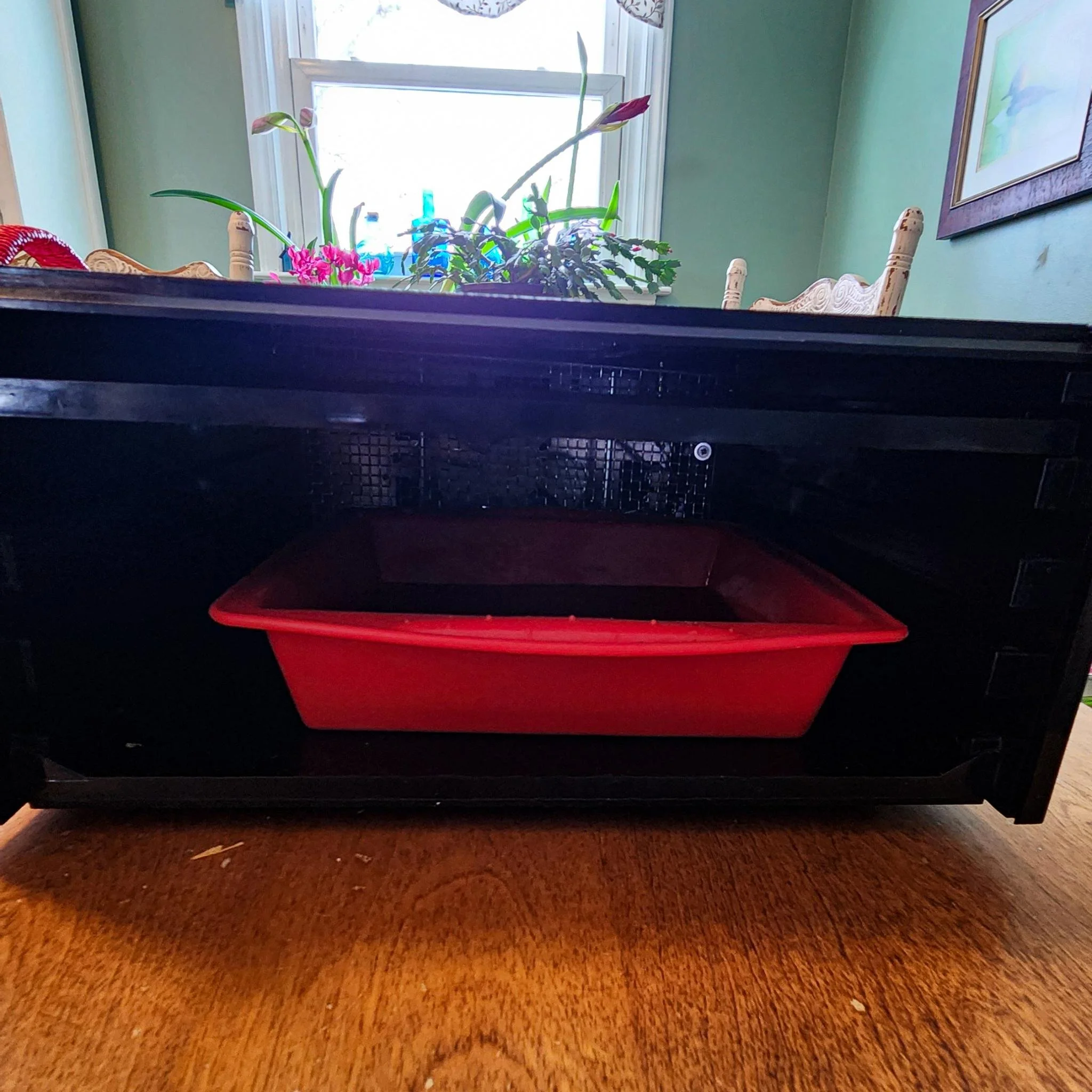
Silicone tray in a small dehydrator.
If you don’t have a dehydrator, we have experimented with other methods. Leaving the baking dish in an oven with the pilot light on for 24 hours is enough time to evaporate two ounces of tincture to make a two ounce glycerite.
Also see our instagram post on making evaporated glycerites for more photos.